The global transition toward sustainable power generation is rapidly reshaping the electrical infrastructure landscape. Solar farms, wind turbine networks, and grid-scale battery installations are being deployed at unprecedented rates across the world. Because these massive energy systems are typically situated in remote, outdoor environments—ranging from coastal regions with high salinity to arid deserts—the underlying electrical infrastructure requires robust physical protection. This macro-level shift is directly driving a massive surge in demand for specialized metal packaging solutions.
Unlike standard indoor electrical boxes, hardware deployed in the renewable sector must endure extreme temperature fluctuations, UV radiation, moisture ingress, and highly corrosive elements. Sheet metal fabrication has evolved from providing simple structural support into engineering critical components that ensure system longevity, thermal stability, and operational safety.
Protecting Sensitive Components in Harsh Environments
Renewable energy equipment, such as solar inverters, power optimizers, and smart grid controllers, contains highly sensitive microelectronics. When placed in open fields, these components face constant threats from heavy rainfall, dust storms, and nesting wildlife. Fabricated steel and aluminum housings provide a necessary, impenetrable barrier.
By utilizing precision custom sheet metal fabrication techniques, manufacturers can achieve the tight dimensional tolerances necessary to integrate seamless weather-stripping and polyurethane gaskets. The structural integrity of the bends and welds directly dictates whether microscopic moisture particles can bypass the seals and cause short circuits.
Advanced Thermal Management for Energy Storage
Grid-scale storage is perhaps the fastest-growing segment within the green energy sector. Lithium-ion battery modules generate significant heat during continuous charge and discharge cycles. If this heat is not effectively dissipated, the system faces reduced charging efficiency, accelerated battery degradation, or worse, catastrophic thermal runaway.
Modern energy storage system enclosures are engineered far beyond standard metal boxes. They feature integrated active ventilation channels, customized mounting brackets for liquid cooling or HVAC units, and dual-wall insulation structures. Materials such as galvanized steel and lightweight aluminum are heavily favored, and they are typically finished with specialized reflective powder coatings that deflect solar heat gain.
Ensuring Security and Preventing Vandalism in Remote Areas
Because solar arrays and wind farms are frequently installed in rural or isolated areas, physical security is a major engineering consideration. High-voltage electrical equipment and valuable copper wiring are prime targets for theft and vandalism.
To combat this, industrial fabricators incorporate heavy-duty physical security features directly into the metalwork. This includes concealed hinges that cannot be cut from the outside, multi-point locking mechanisms, and pry-resistant flanged doors. By leveraging extensive integrated manufacturing capabilities, facilities can weld heavy-gauge carbon steel into tamper-proof vaults that secure millions of dollars of renewable infrastructure.
Compliance with International IP and NEMA Standards
Deploying equipment in the utility sector requires strict adherence to international safety and environmental ratings. Engineering teams must design metal chassis that comply with stringent IP (Ingress Protection) ratings, such as IP65 for dust-tight and wash-down applications, or NEMA 3R and NEMA 4X standards in North America.
Achieving these certifications requires flawless execution on the factory floor. Every robotic weld must be fully continuous without porosity, and every CNC bend must be calculated with precision to avoid gaps where water could pool or seep.
Scalability and Modularity in Solar Infrastructure
As solar farms expand into multi-megawatt and gigawatt utility projects, the electrical architecture becomes highly complex. Project developers require modularity to scale operations efficiently. This logistical trend has led to an increased demand for standardized yet highly adaptable solar inverter cabinets and string combiner boxes.
Modern fabricators utilize CNC fiber laser cutting and robotic bending to produce modular chassis that can be easily assembled, linked, or expanded directly on-site. This precision engineering reduces field assembly time, eliminates the need for on-site drilling or cutting, and significantly lowers the overall labor costs for solar farm developers.
Partnering for Precision Manufacturing
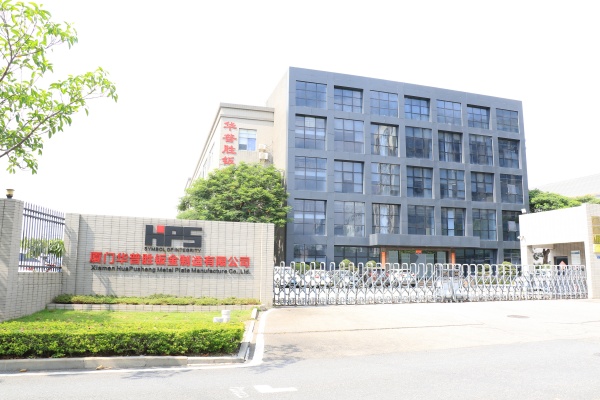
Meeting the rigorous operational demands of the renewable sector requires a fabrication partner equipped with advanced automation and stringent quality control. At Huapusheng, we leverage high-power fiber lasers, robotic welding cells, and comprehensive in-house finishing to produce heavy-duty enclosures that withstand decades of environmental exposure. If you are developing next-generation solar arrays or BESS infrastructure, reach out to our engineering team to discuss design for manufacturability (DFM) optimizations for your project.
Frequently Asked Questions
Why are metal enclosures for renewable energy systems essential?
They provide critical structural protection, weatherproofing against UV and moisture, and electromagnetic interference (EMI) shielding for sensitive electronic components exposed to harsh outdoor environments, ensuring long-term operational stability.
What should I look for in a custom battery energy storage system enclosure manufacturer?
A reliable custom battery energy storage system enclosure manufacturer must possess automated CNC fabrication capabilities, deep engineering expertise in thermal management design (ventilation and cooling integration), and strict quality control protocols to meet ISO standards.
How does a solar power electrical cabinet manufacturer prevent corrosion?
An experienced solar power electrical cabinet manufacturer typically prevents corrosion by utilizing specialized base materials such as 304/316 stainless steel or galvanized steel, followed by advanced surface treatments like outdoor-grade, UV-resistant powder coating or E-coating.