Your access to the utility grid shapes this decision more than any product spec. An off-grid solar setup cuts the connection entirely. A hybrid solar design keeps the link and adds batteries for backup. So which one fits your home or site?
You may wonder about off-grid solar vs hybrid solar costs, battery sizes, and reliability. This comparison answers that question directly. We break down the off-grid vs hybrid solar system trade-offs in plain terms. You will see how an off grid vs hybrid solar system performs in real conditions. Read on to match the right setup to your energy goals.
Key Takeaways
-
Off-grid solar systems work alone without a utility line. Hybrid solar systems connect to the grid for backup power.
-
Off-grid systems need large batteries to cover all energy use. Hybrid systems need smaller batteries because the grid helps.
-
Off-grid solar costs more upfront due to bigger batteries and no grid fees. Hybrid solar saves money with grid credits and smaller batteries.
-
Choose off-grid solar for remote locations without utility access. Choose hybrid solar for homes with reliable grid power.
-
Size your solar system by calculating daily energy use and adding a safety margin. Professional help ensures a good fit.
Off-Grid vs Hybrid Solar System: Core Definitions
The off-grid vs hybrid solar system question starts with one basic difference: whether your property connects to a utility line. That single fact changes how you build, size, and run the equipment. The definitions below set the foundation for every comparison that follows.
What Is an Off-Grid Solar System?
An off-grid solar system works as a self-contained mini power network. It has no utility to fall back on when demand outpaces current solar generation. You rely on panels, batteries, and charge-control equipment to cover nights, cloudy stretches, and peak loads.
A typical off-grid solar and storage system includes solar panels, one or more inverters, wiring, mounting gear, a PWM or MPPT charge controller, a battery bank, safety disconnects, and often a backup generator. Excess output cannot go to a grid, so you must store it, use it immediately, or leave it unused. Batteries are normally essential for power after sunset. This design delivers complete independence from the grid, and it suits remote sites where no utility line exists.
What Is a Hybrid Solar System?
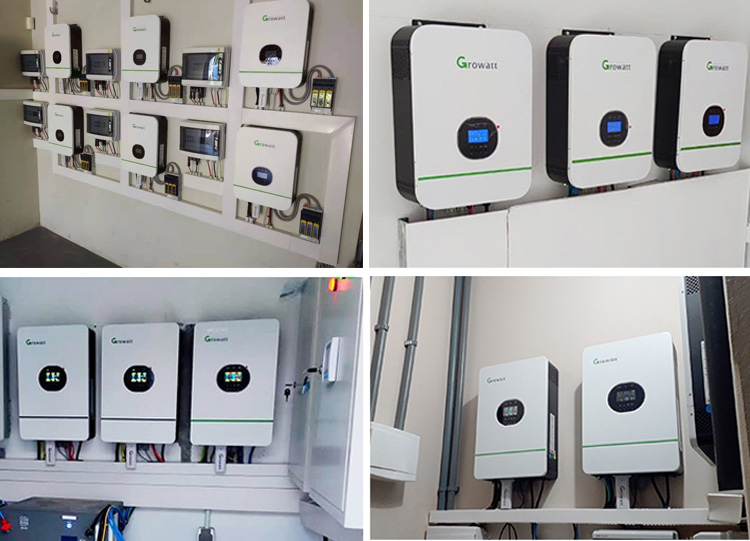
A hybrid solar system combines panels, batteries, and a grid connection. A hybrid inverter manages solar, battery and grid energy together. It sends solar power to your appliances first, charges the battery with the surplus, and draws from the grid when production and storage fall short.
In short, hybrid solar systems combine the best of grid-tied and off-grid solar systems. You gain backup power during outages plus the option to pull from the utility. A hybrid solar-plus-storage system also lets you avoid exporting power when your utility offers weak export credits. Many homeowners choose a hybrid solar and storage system for this balance of savings and security. If you want maximum energy independence, off-grid solar systems remain the stronger path. If you want flexibility, hybrid solar systems win. Explore GREENSUN hybrid solar power systems for residential applications.
Off-Grid Solar vs Hybrid Solar: Grid Connection and Inverters
Grid Connection: Total Independence vs. Backup Link
The grid link carries a real price tag. A new utility hookup can cost around $10,000, and the monthly grid maintenance fee may run about $20. Those figures change the math of off-grid solar vs hybrid solar. You pay that money for a connection you may rarely use, or you skip it and fund a bigger battery bank instead.
This cost split explains much of the off-grid vs hybrid solar system debate. An off-grid solar system avoids hookup charges and monthly fees entirely. A hybrid solar system keeps the line, so you gain a fallback source when your panels and batteries fall short. Weigh the connection cost against the value you place on backup power.
Off-Grid vs Hybrid Inverter: Key Functional Differences
The difference between an off-grid inverter and a hybrid inverter comes down to grid interaction. A hybrid solar inverter talks to the utility through anti-islanding protection and grid synchronization. It shifts between grid-connected and islanded modes within milliseconds. It also runs self-consumption, grid feedback, backup power, and time-of-use modes.
An off-grid inverter works only in islanded mode inside a closed loop. It must self-regulate voltage and frequency and generate its own pure sine wave AC. It handles every load alone, so it needs a larger battery bank. A hybrid solar inverter can pull from the grid when solar and storage run low.
| Aspect | Hybrid Inverter | Off-Grid Inverter |
|---|---|---|
| Grid interaction | Manages solar, battery, loads, and grid; exports surplus; switches to grid at low state of charge | No grid link; stabilizes its own voltage and frequency; optional generator backup |
| Load management | Load prioritization, peak shaving, time-of-use scheduling | Standalone management; battery sizing is critical |
Both types protect against overload, short circuits, over-temperature, and low-battery shutdown. The off grid vs hybrid inverter choice therefore hinges on one question: do you want a grid safety net or full self-reliance? For off-grid solar, size the inverter for peak loads. For hybrid solar, confirm the unit supports your backup circuits. Many hybrid solar systems also let you shed non-critical loads during an outage. You can also compare available GREENSUN solar power system solutions to find a configuration suited to your requirements.
Battery Requirements and Cost: Off-Grid vs Hybrid
Sizing Batteries for Off-Grid vs. Hybrid Systems
Battery size separates these two designs more than any other component. An off-grid solar system must carry every load through the night and through cloudy stretches. You size the bank for your worst-case gap in production, not your average day. That rule pushes capacity upward fast.
A hybrid solar system works under a lighter burden. The grid stands ready as a backup, so you can size the battery for evening peaks and short outages. You do not need to cover a week of bad weather. This smaller bank cuts both purchase cost and installation space. A battery energy storage system sized for backup duty typically costs far less than one built for full autonomy.
Upfront Costs and Long-Term Savings
The off-grid vs hybrid solar system cost gap starts with the battery bank. A larger bank means more cells, more wiring, and a bigger enclosure. You also replace that bank sooner under deeper daily cycling. A hybrid solar and storage system spreads the load between battery and grid, so cells cycle less and last longer.
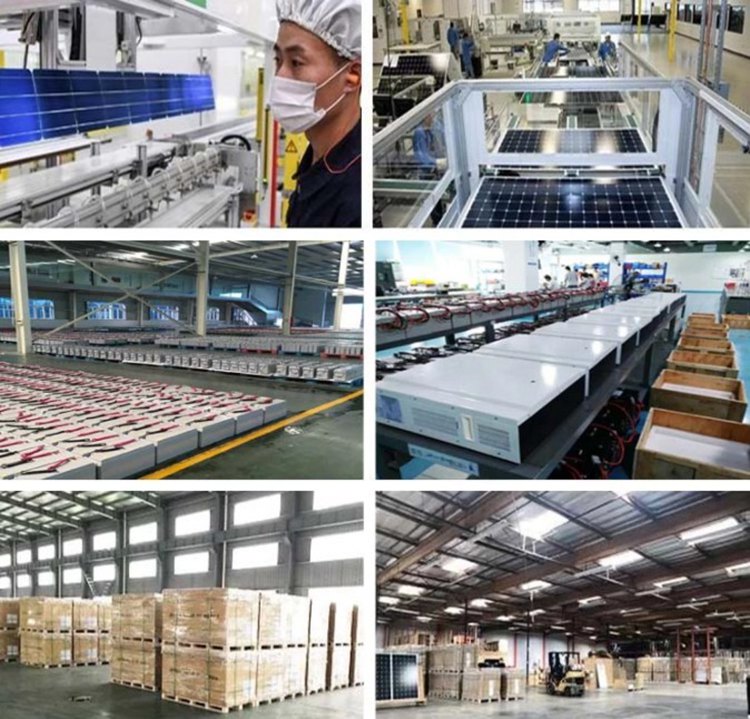
GREENSUN supplies lithium batteries at competitive prices and builds complete solar and storage solutions around your load profile. That combination lowers the entry cost for either design. A solar and battery storage package from a single supplier also trims balance-of-system costs. Long-term savings depend on your grid fees and rate structure. Compare the avoided hookup fee and monthly charges against the extra battery capacity an off-grid build demands. View GREENSUN battery energy storage systems for battery-based energy storage options.
How to Size an Off-Grid or Hybrid Solar System
Calculating Your Energy Needs and Load Profile
Sizing starts with your load, not your roof. Follow these steps to build an accurate picture of what your property consumes.
-
Inventory every electrical device, including lights, appliances, and HVAC equipment.
-
Estimate daily usage hours for each device based on real operation schedules.
-
Calculate daily watt-hour consumption: device power rating in watts × daily usage hours × quantity of units.
-
Sum the totals to get your baseline daily load in Wh or kWh.
-
Add a 20–30% safety margin for inefficiencies, seasonal variation, and system losses.
A worked example makes this concrete. Lights at 50W for 6 hours draw 300Wh. A fan at 75W for 8 hours draws 600Wh. A refrigerator at 150W for 10 hours draws 1500Wh. A TV at 100W for 4 hours draws 400Wh. The total daily load reaches 2800Wh, or 2.8 kWh. Adjusted for 85% efficiency, the figure becomes 3294Wh.
Next, translate that load into equipment. Divide daily energy by peak sun hours to get panel capacity. Size the battery for at least one day of autonomy, with 1.5× daily load ideal for off-grid solar. Rate the inverter at 125% of peak demand to prevent overload. Battery capacity follows daily energy × backup time ÷ depth of discharge, using roughly 50% for lead-acid and 80% for lithium. GREENSUN offers tailored system designs, including grid-tie, off-grid, and hybrid storage systems, to match specific customer requirements.
Factoring in Location, Sunlight, and Grid Reliability
Your location sets the array size. Divide daily consumption by average peak sun hours, which typically range from 3 to 6 hours. A 30 kWh daily load with a 25% margin becomes 37.5 kWh per day. At 5 sun hours, you need a 7.5 kW array, roughly 22 panels at 350W each. At 3.5 winter sun hours, the same load demands about 11 kW, or 32 panels.
Plan for the worst season, not the best. Off-grid systems must cover every low-sun period, so designers often plan for up to 7 days of weak production. That requirement drives a large battery bank. A hybrid solar system carries a lighter burden, because the grid supplies power once the battery hits a low state of charge. You can size that bank around your backup needs instead of the weather.
Grid reliability decides which path fits. Where utility power stays steady, a hybrid setup balances solar savings, battery storage, and backup power for most properties. Remote sites without grid access leave off-grid solar as the practical choice. A professional on-site assessment reaches about ±5% accuracy and includes shading analysis and production modeling, which beats bill-based estimates at ±10–15%. GREENSUN designs complete solar and battery storage packages around your load profile and site conditions, so you can learn how to size an off-grid or hybrid solar system with confidence.
Choosing the Right System: Scenarios and Recommendations
You now have the definitions, inverter differences, battery math, and sizing steps. The final step is matching a design to your actual situation. Use the scenarios below to see where each option fits best.
When an Off-Grid System Makes Sense
An off-grid solar system suits you when no utility line reaches your property. Remote cabins, farms, and homesteads often fall into this group. The table below shows the factors that point toward off-grid suitability.
| Factor | How it points to off-grid suitability |
|---|---|
| Location | Off-grid systems work best in remote locations where grid access is unavailable; on-grid suits areas with reliable grids. |
| Backup power | Homes with frequent outages should consider battery storage; off-grid inherently includes battery backup for uninterrupted supply. |
| Budget | Off-grid entails higher costs due to battery storage and advanced inverters, so budget tolerance is a deciding factor. |
| Time-of-Day tariff | Storing excess solar in batteries reduces grid dependence during peak-tariff hours, favoring systems with storage (off-grid/hybrid). |
You also need to weigh site conditions. Strong solar irradiance makes off-grid solar more viable, and moderate temperatures with minimal cloud cover help production. Local rules on building and water collection can shape your setup, and access to an experienced off-grid community improves installation success.
Three key factors determine off-grid system sizing: peak power demand, daily kWh usage, and nightly kWh usage. These are derived by listing each appliance's wattage and daily usage hours — essential information before proceeding with sizing.
If you seek maximum energy independence, an off-grid solar system delivers it. Plan a backup generator for long low-sunlight stretches, and budget for battery replacement over time. GREENSUN designs off grid solar system packages around these constraints. Learn more about GREENSUN off-grid solar systems for remote and independent power applications.
When a Hybrid Solar System Is the Better Fit
A hybrid solar system fits you when the grid already serves your property. Most homeowners with utility access choose this path — roughly 95% of residential customers pick hybrid. The scenarios below show why.
| Scenario | Why Hybrid Is the Better Fit |
|---|---|
| Grid available but solar production dips (cloudy days, winter) | Utility grid supplements power when panels/batteries can't meet demand |
| Excess solar generation | Surplus energy is exported to the grid for bill credits, adding value |
| Utility outage | Solar + battery keep essential loads running for days, operating like off-grid while grid access is retained |
| Typical homeowner/property owner with utility access | Recommended as the default choice (~95% of residential customers choose hybrid) |
| Remote location, farm, or homestead without utility power | Off-grid is the exception; hybrid is not the fit here |
A hybrid solar and storage system gives you backup power during grid outages without sacrificing grid benefits. You gain battery backup during outages for essential circuits, and surplus solar can earn bill credits where your utility offers them. This matters in areas without full retail net metering, where exported power earns less than you pay.
When you compare off-grid solar vs hybrid solar for businesses, hybrid solar often wins for offices and shops on a reliable grid. Those sites need backup during outages but rarely need full autonomy. A hybrid solar system balances savings and security. GREENSUN builds complete solar and battery storage solutions for both paths, so you can weigh off-grid solar vs hybrid solar for businesses and homes with confidence.
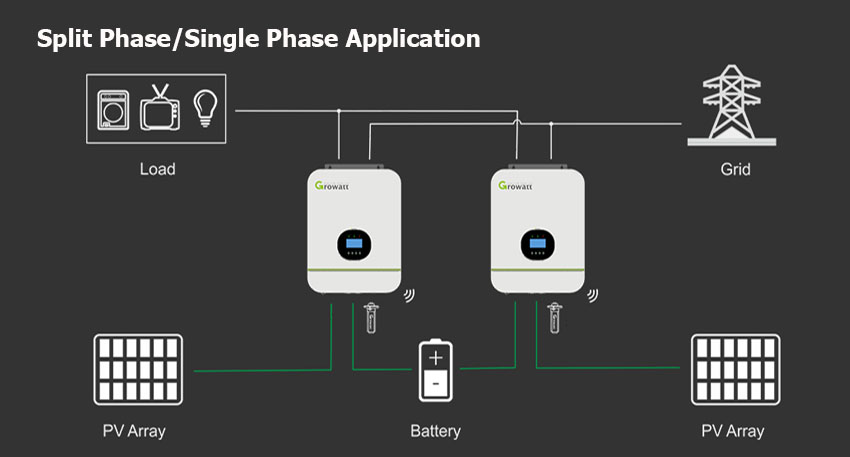
The trade-off comes down to independence versus balance. An off-grid solar system gives you full autonomy, yet it demands careful planning and a larger battery investment. A hybrid solar system trades some of that autonomy for a grid link, backup power, and bill savings.
No single design wins for everyone. The better choice matches your energy goals, your budget, and your location. Ask yourself one question: do you value self-sufficiency over cost savings? Your answer points to off-grid solar or hybrid solar.
Share your load profile with a professional supplier like GREENSUN. Their team designs solar energy systems around real site conditions, so you invest with confidence.
FAQ
Can I add grid connection to an off grid solar system later?
Yes, in most cases. You can retrofit a hybrid inverter and apply for a utility hookup. Budget for the connection cost, which can reach around $10,000, plus a monthly grid maintenance fee of about $20. Plan this upgrade before you buy batteries, because the bank size may change.
How long can a hybrid solar system run my home during an outage?
Runtime depends on your battery capacity and your essential loads. Size the bank around the circuits you want to keep running. A hybrid solar system then powers those loads while the grid stays down. GREENSUN designs backup packages around your load profile, so you know the expected runtime before you buy.
Do I need a generator with an off grid solar system?
Not always, but many owners add one. A generator covers long low-sunlight stretches that exceed your battery bank. Designers often plan for up to 7 days of weak production. A generator gives you a safety net without oversizing the battery bank.
Which battery chemistry works best for these solar energy systems?
Lithium iron phosphate suits both designs. It tolerates a deeper depth of discharge, roughly 80% versus about 50% for lead-acid. That means less capacity for the same usable energy. GREENSUN supplies lithium batteries compatible with most major inverter brands.
Can GREENSUN design a complete system for my property?
Yes. GREENSUN builds grid-tie, off-grid, and hybrid storage solutions around your load profile and site conditions. The team has supplied solar energy systems since 2003 and exports to more than 100 countries. Share your daily consumption and location, and they will size the array, battery, and inverter for you.