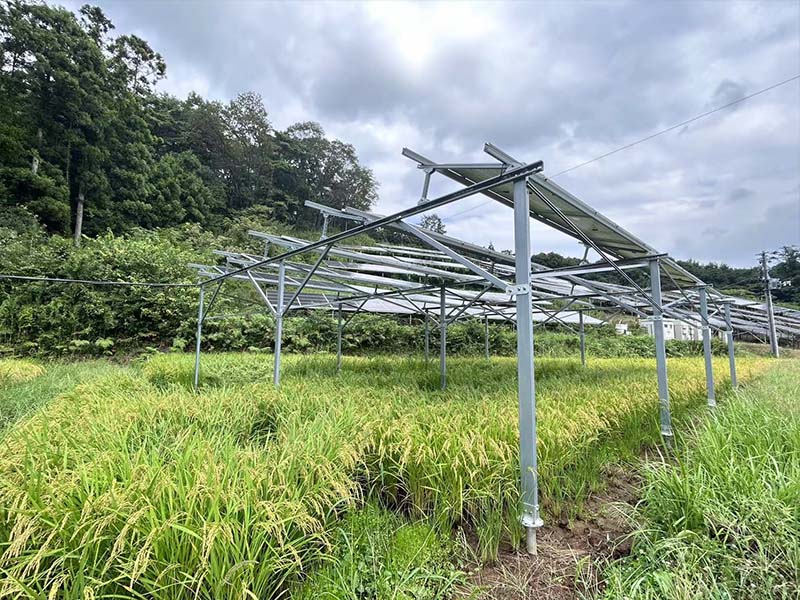
Ground Mount vs. Rooftop Solar Mounting System: Which One Is Better?
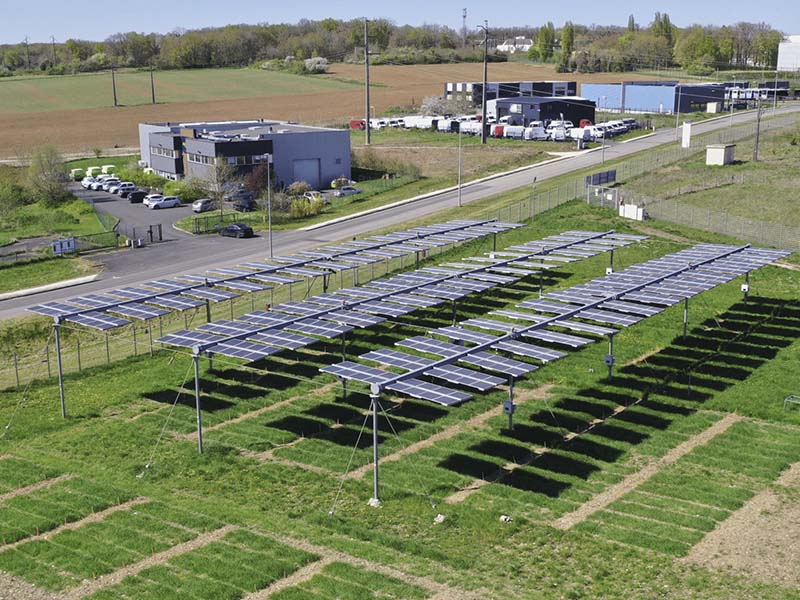
When planning a solar PV project, one of the most fundamental decisions you’ll face is choosing between a ground-mounted and a rooftop-mounted solar system. Both solutions deliver clean solar power, but they differ drastically in installation cost, energy performance, design flexibility, maintenance difficulty, and long-term ROI.
There is no universal “better” option. The ideal choice depends entirely on your available space, building conditions, energy demand, budget, and future expansion plans. In this blog, we’ll conduct a comprehensive head-to-head comparison to help you figure out which solar mounting system fits your project best.
1. Basic Definition & Core Features
Rooftop Solar Mounting System
Rooftop solar systems install PV modules directly on residential, commercial, or industrial building roofs. They utilize idle roof space without occupying ground land, making them the most popular solution for urban and densely populated areas. Common types include non-penetrating ballasted mounts, roof hook mounts, and specialized clamp mounts for metal roofs.
Ground Solar Mounting System
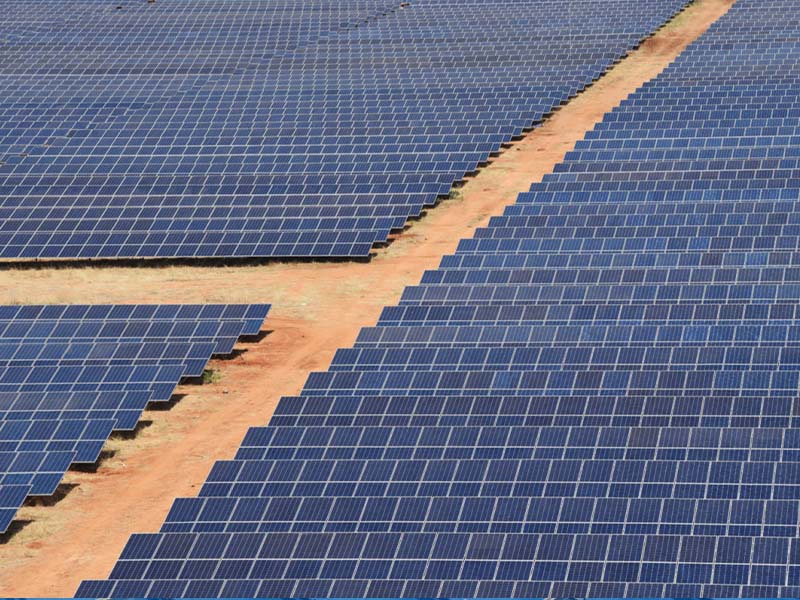
Ground-mounted solar systems are independent structures installed on open land, fields, wastelands, or hillsides. Supported by pile or concrete foundations, these standalone brackets can freely adjust tilt angles and orientations. They are widely used for large utility-scale power stations, rural residential projects, and commercial solar farms, and support fixed, adjustable, and sun-tracking designs.
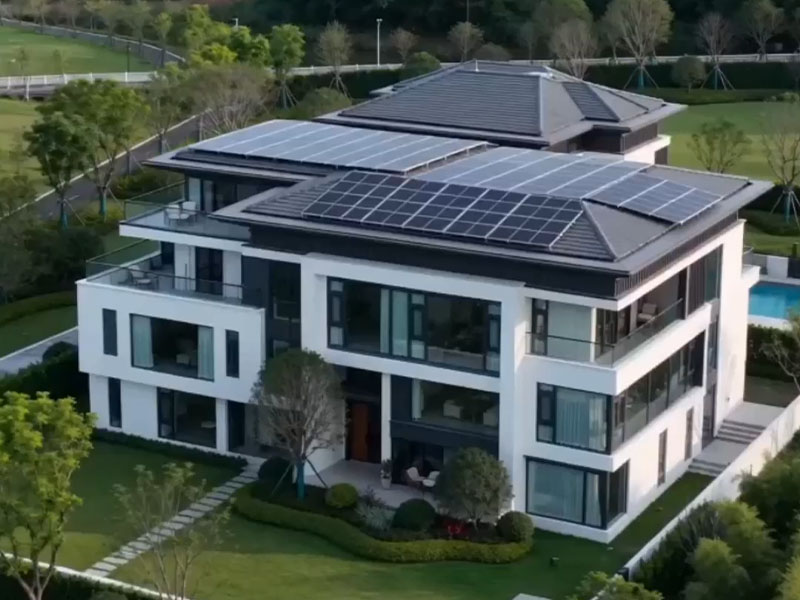
2. Head-to-Head Comparison: Pros & Cons
Rooftop Mount: Pros
Zero land occupation: Fully utilizes unused roof space, requiring no extra yard or land area — perfect for urban homes and downtown commercial buildings with limited ground space.
Lower upfront cost: No complex foundation construction or land grading work. With simpler installation procedures and fewer material requirements, rooftop systems typically cost 20–30% less than ground-mounted alternatives.
Simple permits & fast deployment: Residential and small commercial rooftop solar usually involves streamlined approval processes, shorter construction cycles, and faster grid connection.
Building energy efficiency boost: Panels installed on roofs provide shade for the building, reducing rooftop heat absorption and lowering indoor air conditioning energy consumption in summer.
High safety for modules: Elevated installation avoids ground-level risks such as lawn equipment impact, animal damage, and drifting snow burial.
Rooftop Mount: Cons
Limited design flexibility: The tilt angle and orientation are restricted by the original roof pitch and building direction, making it impossible to achieve the optimal sunlight absorption angle in many cases, which slightly limits power generation efficiency.
Strict structural limits: The building roof must pass load-bearing inspections. Aging roofs, damaged waterproof layers, or lightweight structures cannot support solar installation and may require costly roof renovation in advance.
Difficult maintenance: High-altitude operation increases cleaning and inspection risks. Narrow roof spaces also hinder daily maintenance work.
Poor scalability: Once the roof space is fully covered by panels, there is almost no room for future system expansion.
Potential roof damage risks: Improper drilling or unqualified installation may cause roof leakage and damage the building’s waterproof structure.
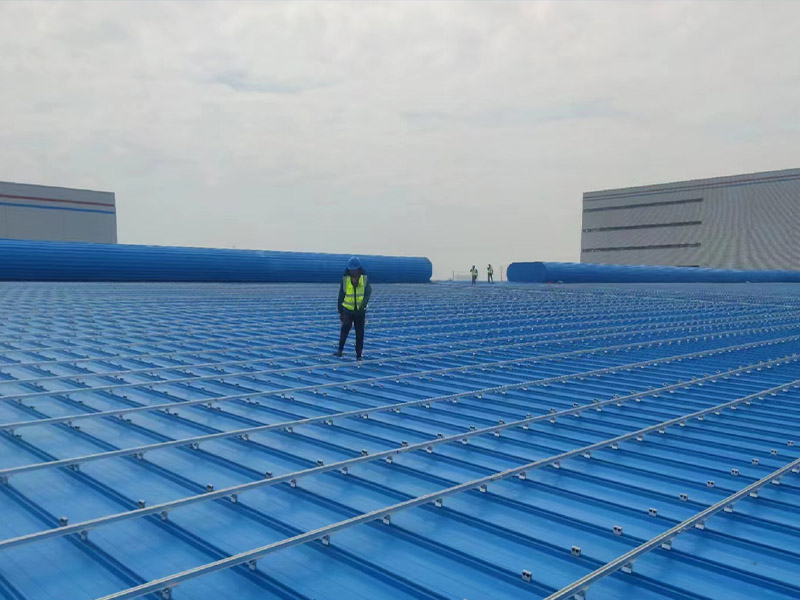
Ground Mount: Pros
Maximum power generation efficiency: Ground systems allow full customization of tilt angle, azimuth, and row spacing according to local latitude and solar trajectory. They avoid building shading and optimize sunlight utilization, delivering 5–15% higher annual yield than constrained rooftop systems.
Unlimited design flexibility:
Compatible with fixed, seasonal adjustable, and solar tracking structures. Single-axis and dual-axis trackers can further increase power output by 20–35%, ideal for high-energy-demand projects.
Easy maintenance & inspection: Ground-level installation enables convenient panel cleaning, fault checking, and component replacement, effectively reducing long-term maintenance costs and downtime losses.
Strong scalability: System capacity can be expanded freely according to land reserves and growing energy needs, perfectly matching long-term project upgrading plans.
No building structural constraints: Independent foundations impose no load on buildings, avoiding roof aging, leakage, and structural safety risks.
Ground Mount: Cons
Higher investment cost: Additional expenses for land leasing, site leveling, foundation pouring, and longer cable laying lead to significantly higher upfront material and construction costs.
Land resource occupation: Requires available open land, which is impractical for dense urban areas with limited space.
Strict site requirements: Needs flat or gently sloped terrain; swampy, severely rocky, or unstable land requires extra foundation reinforcement.
More complex approval: Large ground solar projects face stricter land use reviews and environmental assessment procedures with longer project cycles.
3. Key Dimension Comparison Table
|
Evaluation Dimension |
Rooftop Solar Mount |
Ground Solar Mount |
|
Space Requirement |
Uses roof space, no land needed |
Requires available open land |
|
Upfront Cost |
Low to medium (cost-effective) |
High (foundation & land costs) |
|
Power Generation Efficiency |
Moderate (limited by roof angle) |
High (fully optimized angle & tracking) |
|
Design Flexibility |
Low (restricted by building structure) |
Very high (fully customizable) |
|
Maintenance Difficulty |
Hard (high-altitude operation) |
Easy (ground-level access) |
|
Scalability |
Poor |
Excellent |
|
Best Application Scenarios |
Urban residences, small commercial buildings |
Solar farms, rural areas, high-energy-demand projects |
4. Which One Should You Choose?
Choose Rooftop Mount If:
You live in a city with limited yard space, own a structurally sound roof with decent sun exposure, prioritize low upfront costs and fast returns, and only need to meet basic household or small commercial electricity demand. It is the most cost-balanced solution for most small-scale solar projects.
Choose Ground Mount If:
You have sufficient idle land, your roof has poor orientation or structural defects, you pursue maximum power generation efficiency and long-term high ROI, or you plan to expand system capacity in the future. It is also the top choice for large-scale commercial solar farms and utility-level PV stations.
Final Verdict
Neither ground mount nor rooftop mount is absolutely better — they serve different project needs. Rooftop solar wins at cost savings and space utilization, making it the mainstream choice for urban distributed solar.Ground solar excels at performance, flexibility, and scalability, delivering stronger long-term value for large-scale and high-demand projects.
The wisest selection is to match the mounting system to your site conditions, budget, and energy goals. A tailored solution, rather than a blind pursuit of a certain type, is the key to maximizing your PV project’s performance and return on investment.